Asakusa Food Tour Tokyo: 15 Dishes Through Edo-Era Alleys & Hidden Izakayas
This Asakusa food tour leads a small group through four restaurants loved by Tokyoites — not tourists — where you'll taste 15 authentic dishes including yakitori, gyoza, karaage fried chicken, and fresh sashimi alongside izakaya etiquette lessons from a local expert. Three hours, two drinks included, from $70. Here's everything you need to know. Comparing districts first? Every Tokyo street food tour is ranked on the main page.
About This Activity
Up to 24 hours before — full refund
Secure your spot with no payment today
3 hours — evening departure
Asakusa Station Exit 1, Taito, Tokyo
Small group — intimate format
15 authentic Japanese dishes
2 drinks included (alcoholic and non-alcoholic)
English — full izakaya etiquette instruction
Check Live Availability & Prices
Real-time dates and prices for the Asakusa food tour — book directly through GetYourGuide with free cancellation.
Why Book the Asakusa Food Tour?
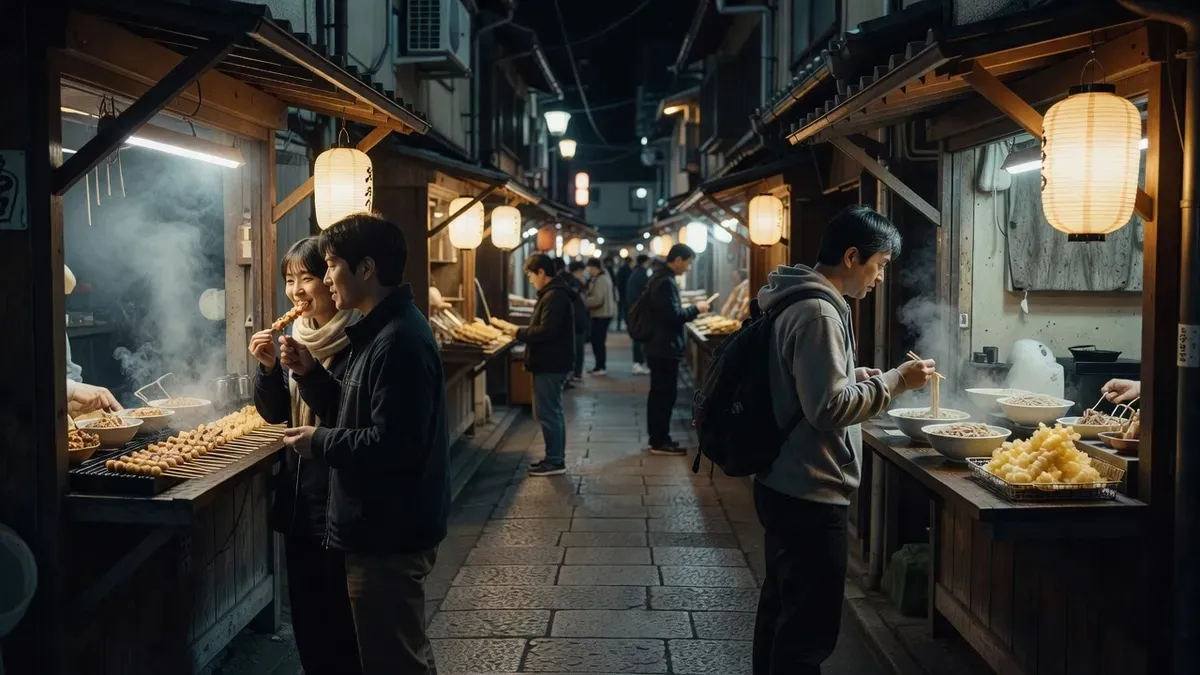
Asakusa is where Tokyo's street food culture began. The district around Senso-ji Temple has functioned as a public food and market district since the Edo period — over 400 years of unbroken culinary tradition compressed into a few square kilometers of alleys, covered arcades, and standing izakayas.
The asakusa food tour doesn't start at the famous Nakamise shopping street or the big-name restaurants along the main approach road. Instead, the guide takes the group to four establishments that operate on local trade — places where the clientele is almost entirely from the surrounding neighborhoods and the menu changes with the season rather than for tourist convenience.
At 15 dishes and two drinks for $70, this tour is also the best-value option among all the Tokyo street food tours on this site. The dish count is higher than the Shinjuku tours and the price is lower, reflecting Asakusa's position as a working-class neighborhood rather than a nightlife entertainment district.
What You'll Eat and Where
The four stops span Asakusa's dining typology — a retro izakaya, a street stall, a sashimi counter, and a modern Japanese small-plates restaurant.
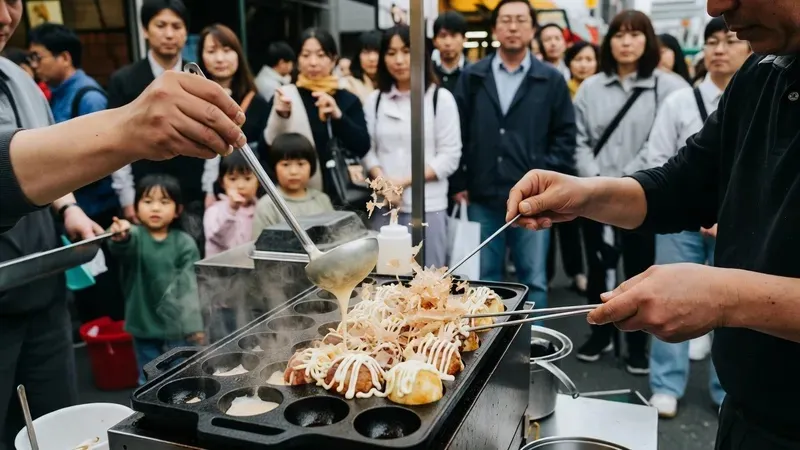
- Yakitori grilled skewers — chicken thigh, wing, and tsukune meatball over charcoal, classic tare glaze
- Gyoza dumplings — pan-fried pork and cabbage, served with rice vinegar and chili oil dipping sauce
- Karaage fried chicken — crispy double-fried with lemon, the izakaya staple that few Westerners make well
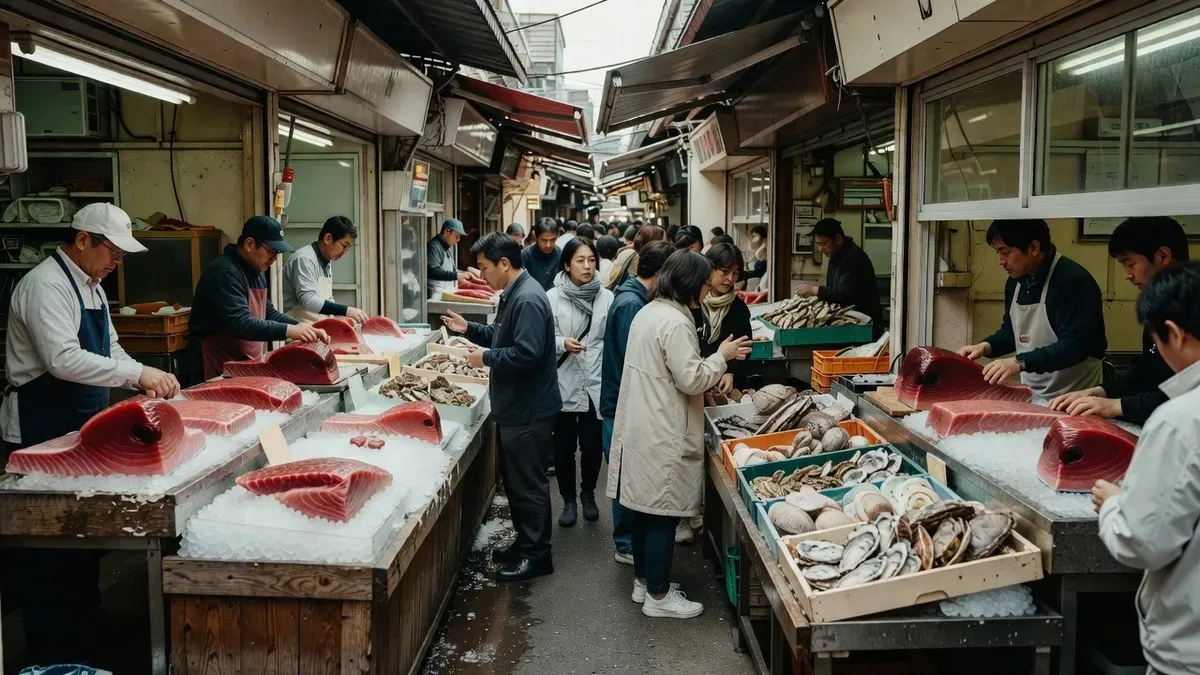
- Fresh sashimi — tuna (maguro), salmon (sake), yellowtail (hamachi); the guide explains sourcing at each stop
- Agedashi tofu — silken tofu in a dashi broth with grated daikon and bonito flakes
- Seasonal small plates — depends on the evening's kitchen; the guide advises the best choices
Izakaya Etiquette: What the Guide Teaches
A core part of this tour is understanding how the izakaya format actually works — knowledge that transforms every subsequent meal you have in Tokyo. The guide covers: what the otoshi (mandatory first dish and table charge) is and why it exists, how to pace orders across a long izakaya meal, the etiquette around pouring drinks for others before yourself, how to signal for the bill without interrupting the kitchen rhythm, and the difference between an izakaya (drinking-first, food-second) and a kaiseki restaurant (the reverse). By the end of the tour, guests report ordering confidently at izakayas on their own for the rest of their trip.
What's Included in the Price
The $70 per-person price includes:
- 15 authentic Japanese dishes across 4 local eateries
- 2 drinks (alcoholic or non-alcoholic — sake, beer, whisky highball, or soft drink)
- Expert English-speaking local guide for the full 3 hours
- All venue entry, reservations, and Japanese-language ordering
- Izakaya etiquette instruction and Japanese food culture commentary
Not included
Extra food or drinks beyond the 15 included dishes and 2 drinks are at your own expense. Transport to the meeting point is not included.
- Additional drinks or dishes beyond what's included
- Transport to Asakusa Station — get there independently
- Gratuity for the guide — appreciated, never required
How the Evening Flows
-
T−10 min
Meet at Asakusa Station Exit 1
Your guide meets the group outside Exit 1 of Asakusa Station. The guide will be holding a small sign. Arrive at least 10 minutes early.
-
0:00
First stop — retro yakitori izakaya
A five-minute walk from the station to the first stop: a traditional izakaya with charcoal grill. Orders go in for yakitori and the guide introduces the group to the otoshi system.
-
0:40
Walk through Nakamise and side alleys
The guide leads the group along Nakamise shopping street (now quieter after the main tourist hours) and into the smaller alleys that branch off it, explaining the district's history.
-
0:55
Second stop — gyoza and karaage
A casual standing bar and kitchen serving gyoza made to order. Karaage appears alongside. The guide explains the difference between Tokyo-style gyoza and Osaka-style.
-
1:30
Third stop — sashimi counter
A small sashimi counter where the chef cuts to order from the day's catch. The guide explains seasonal fish, sourcing, and how to eat sashimi without drowning it in soy sauce.
-
2:10
Walk to Hoppy Street
The group walks to Hoppy Street — a compact row of traditional izakayas that has operated since the postwar era. The guide explains Hoppy beer culture and the street's history.
-
2:20
Fourth stop — modern small-plates izakaya
The final stop: a contemporary izakaya with seasonal Japanese small plates. The chef's recommendation is ordered for the group — agedashi tofu, grilled mushrooms in dashi, or that night's special.
-
3:00
Tour ends in Asakusa
The tour wraps near the final eatery. The guide can recommend Senso-ji at night (beautifully lit, crowds gone) and spots for nightcap drinks on Hoppy Street.
Important Things to Know Before You Book
What to bring
Asakusa's alleys are uneven — wear comfortable shoes and travel light:
- Comfortable closed-toe shoes — historic alleyways have uneven stone and wooden floors
- A light layer — evening temperatures drop in Asakusa, which has more open-air sections than Shinjuku
- Cash — traditional Asakusa izakayas frequently do not accept foreign credit cards
- An appetite — 15 dishes require a genuinely empty stomach; keep lunch light
- Dietary restrictions must be declared at booking — pork and seafood appear throughout
Not allowed / restrictions
Please note the following before booking:
- This tour is not suitable for vegans or vegetarians — the menu is built around meat and seafood
- No large luggage — izakayas have very limited space; bring a small day bag only
- Photography at some stops: the guide will advise where it's welcome; many traditional izakayas prefer guests not photograph the interior
- Wheelchair access is limited — Asakusa's traditional alleyways and some izakaya entrances are not accessible
Where to Meet — Asakusa Station Exit 1
Who This Asakusa Food Tour Is (and Isn't) For
Perfect for:
- Travelers who want to understand the cultural context of Japanese food, not just eat it
- Anyone visiting Asakusa and Senso-ji Temple who wants to extend the experience into an authentic evening
- First-time visitors who feel uncertain about navigating izakayas without a guide
- Budget-conscious food lovers — 15 dishes and 2 drinks for $70 is exceptional value for Tokyo
Not suitable for
The operator specifies this tour is not suitable for:
- Vegans — the entire menu contains animal products; plant-based alternatives are not available on this itinerary
- Vegetarians — pork, chicken, and seafood appear at every stop
- Travelers with wheelchair requirements — Asakusa's alleys and izakaya interiors are not accessible
Asakusa Food Tour FAQ
How is the Asakusa food tour different from the Shinjuku tours?
Asakusa and Shinjuku offer completely different atmospheres. Asakusa is Tokyo's oldest district — Edo-period temples, retro shotengai arcades, and standing izakayas that haven't changed in decades. Shinjuku is neon-lit, dense, and a center of Tokyo's nightlife. The Asakusa tour also offers more dishes (15 vs 13) at a lower price ($70 vs $82), and has a stronger emphasis on food culture and izakaya etiquette. See the Shinjuku food tour for the Shinjuku version.
Is the Asakusa food tour vegetarian-friendly?
No — this tour is explicitly not suitable for vegans or vegetarians. The menu includes yakitori (grilled chicken), gyoza (pork), karaage (chicken), and sashimi at every stop. If you have a vegetarian diet, this is not the right tour for you. Contact the operator at booking to discuss if any specific accommodations are possible.
What time does the Asakusa food tour run?
Evening slots — typically departing between 6pm and 7:30pm depending on the day. Check GetYourGuide for current available times. The tour ends around 9pm to 9:30pm near the final eatery in Asakusa.
Can I visit Senso-ji before the food tour?
Yes, and it's recommended. Senso-ji Temple is a 5-minute walk from Asakusa Station and most of the tourist crowds leave by late afternoon. An early evening visit to the temple before the 6pm tour start is a natural pairing — the approach road (Nakamise) stays lit after dark and the main gate is illuminated through the evening.
Is the Asakusa food tour good value?
At $70 for 15 dishes and 2 drinks, yes — it's the most affordable of all the Tokyo street food tours and offers the highest dish count. Asakusa's local izakayas tend to operate at slightly lower price points than Shinjuku's entertainment-district venues, which is reflected in the tour price.
What Guests Say
Asakusa at dusk with a local guide is something completely different from the daytime tourist experience. The izakaya we ended at — standing room only, smoke from the grill drifting through the open door — was perfect. 15 dishes and nobody in my group was ready to stop eating.
Our guide spent time at each stop explaining the izakaya etiquette — when to pour for others, how to pace the meal, what the otoshi cover charge means. I felt like I actually understood how to eat in Tokyo by the time we finished, not just what to eat.
Note for non-vegetarians looking for authentic Tokyo street food: this tour doesn't hold back. Yakitori, gyoza, sashimi — everything is the real thing at spots that only opened for dinner service hours ago. Outstanding.