Tsukiji Market & Asakusa Street Food Tour: Fresh Tuna, Tamagoyaki & Senso-ji
This Tsukiji Market and Asakusa food tour covers two of Tokyo's most storied food destinations in a single 3.5-hour morning experience — from the legendary outdoor market where Tokyo's chefs have sourced seafood for a century, to the Senso-ji Temple area and Asakusa's izakayas. Subway ticket included. From $43, free cancellation. Here's everything you need to know. Morning market or evening alleys? All Tokyo food walks are compared on the homepage.
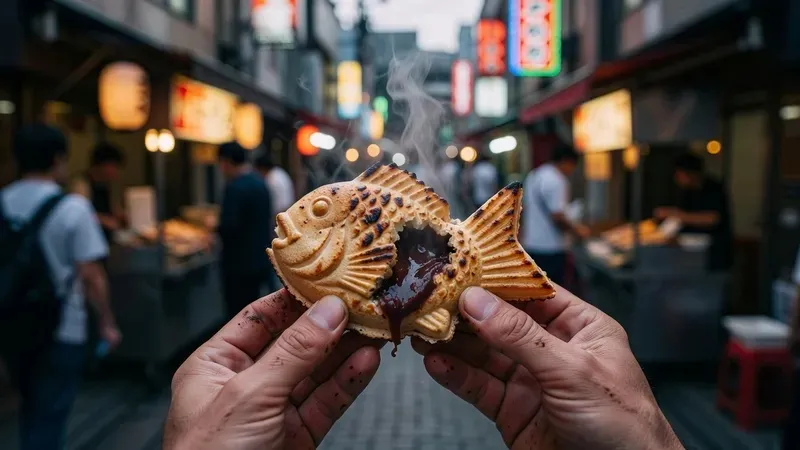
About This Activity
Up to 24 hours before — full refund
Secure your spot with no payment today
3.5 hours — morning departure
Tsukiji Outer Market, Chuo, Tokyo
Tsukiji to Asakusa included
Fresh tuna sushi, tamagoyaki, seafood donburi
Senso-ji Temple and Nakamise shopping street
English — professional local guide
Check Live Availability & Prices
Real-time availability for the Tsukiji Market and Asakusa street food tour — book directly through GetYourGuide with free cancellation.
Why Book the Tsukiji Market & Asakusa Food Tour?
At $43 per person, the Tsukiji Market and Asakusa food tour is the most affordable of all the Tokyo street food tours — and it covers two of the experiences that visitors to Tokyo most commonly list as highlights of their trip. The combination works because Tsukiji and Asakusa are connected by the Tokyo Metro's Hibiya Line; the tour includes the subway ticket, and the guide teaches you how to navigate Tokyo's train system as part of the experience.
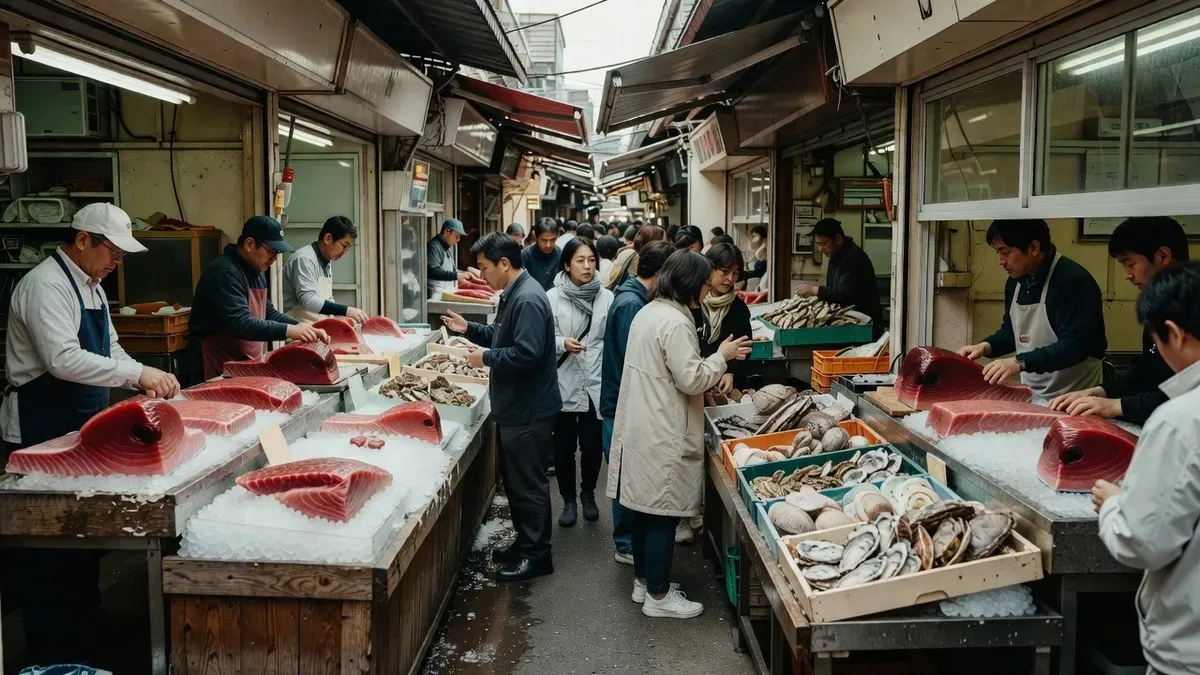
The Tsukiji Outer Market — the sprawling seafood and food vendor district in Chuo — has been the source of Tokyo's restaurant and home kitchen seafood for over a century. While the inner wholesale market relocated to Toyosu in 2018, the Tsukiji Outer Market continues to function as a public retail market and is at its best in the morning, when vendors have just received the day's deliveries and the produce is at its freshest. This tour times the Tsukiji visit for peak market hours.
Asakusa in the late morning, after the main tourist wave has moved through, is calm enough to appreciate the Senso-ji Temple precinct properly — the giant Kaminarimon gate, the Nakamise shopping approach, and the side alleys where traditional craft shops and standing food stalls still operate.
What You'll Eat at Tsukiji Outer Market
The Tsukiji tastings are the centerpiece of the tour. Expect to try:
- Fresh-cut tuna sashimi — the vendor slices to order and hands it over on a small wooden board; no soy sauce needed on quality this fresh
- Nigiri sushi — typically tuna, salmon, and scallop; ask the guide which stall to go to for the morning's best fish
- Seafood donburi (海鮮丼) — a bowl of steamed rice topped with fresh ikura salmon roe, tuna, scallop, and uni sea urchin
- Tamagoyaki — the thick rolled egg omelette unique to Tokyo's food culture, made fresh in rectangular pans by vendors who have been selling it in the same spot for decades
- Grilled seafood skewers — scallops, shrimp, and seasonal items from open-front stalls along the market's main arcade
Asakusa: Senso-ji and Hoppy Street
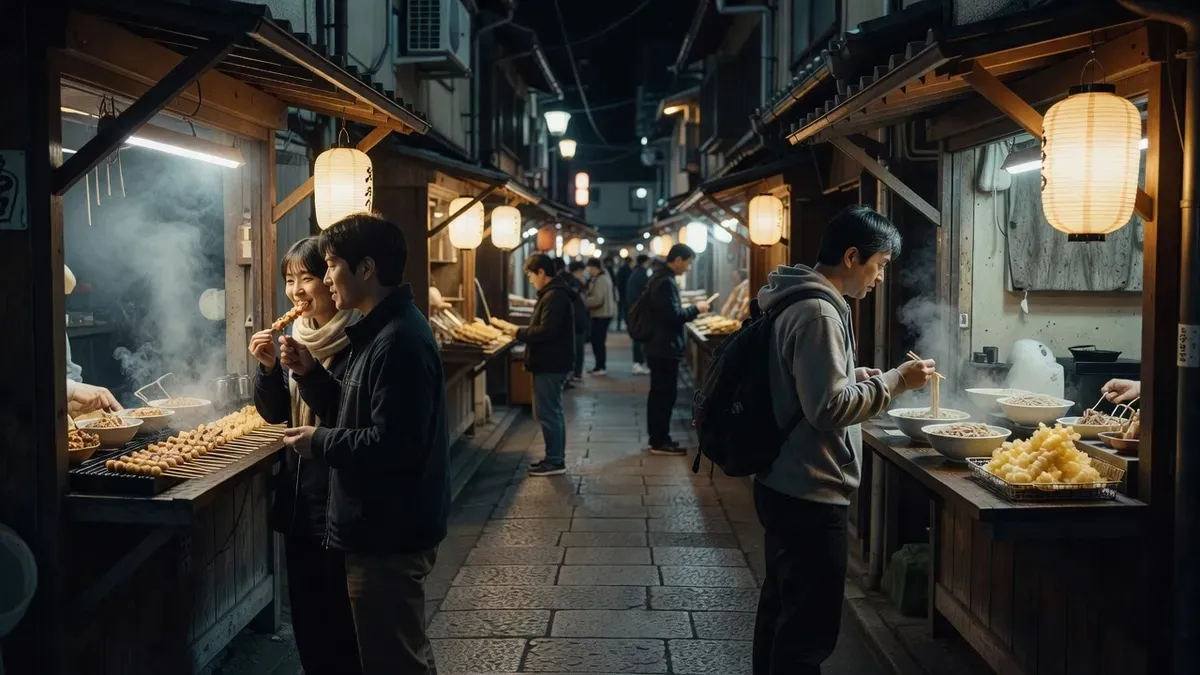
After the subway ride to Asakusa, the guide takes the group through the Senso-ji complex — explaining the significance of the Kaminarimon gate's paper lantern, the Nakamise shopping street's 250-year history as a vendor district, and the inner temple precinct where Tokyoites still come to pray rather than photograph. The tour ends on Hoppy Street — a row of standing izakayas that have operated since the postwar era — where the guide points out the best spots for an early lunch or late-morning izakaya plate.
What's Included in the Price
The $43 per-person price includes:
- Professional English-speaking local guide for the full 3.5 hours
- Tsukiji Outer Market food tastings — fresh tuna sushi, tamagoyaki, and seafood items
- Guided cultural commentary at Senso-ji Temple and Nakamise shopping street
- One-way subway ticket from Tsukiji to Asakusa on the Tokyo Metro Hibiya Line
- Introduction to Tokyo's train navigation system
Not included
A few items at Tsukiji are paid separately — the market has a fantastic variety and you'll likely want more than the standard tastings:
- Additional market purchases beyond the included tastings — bring ¥2,000 to ¥3,000 for extras
- Seafood donburi bowls — these are available from market vendors if you want a full bowl; typically ¥1,500 to ¥2,500
- Transport to the Tsukiji Outer Market starting point
- Return transport from Asakusa
How the Tour Flows
-
0:00
Meet at Tsukiji Outer Market
The guide meets the group at the main entrance to Tsukiji Outer Market near the Kachidoki Bridge end. Arrive punctually — the best vendors sell out by mid-morning.
-
0:10
Market orientation walk
The guide walks the group through the market's layout — explaining the vendor types, the daily rhythm, and which stalls to prioritize. A broad overview before diving in to eat.
-
0:20
Fresh tuna tasting
Stop at the guide's preferred tuna vendor — typically a small stall with a glass case of fresh cuts. The vendor slices to order. Tuna sashimi and possibly nigiri depending on the morning.
-
0:45
Tamagoyaki stop
Walk to the tamagoyaki stalls — vendors making fresh rolled omelettes in rectangular pans over open flame. Eat hot, straight from the vendor. The guide explains the Tokyo-style (sweeter) vs Osaka-style (savory) versions.
-
1:00
Grilled seafood and seasonal tastings
A circuit of the market's grilled seafood stalls — scallops, shrimp, seasonal items. The guide picks the best stalls based on the morning's freshness.
-
1:20
Subway to Asakusa
Walk to Tsukiji Station (Hibiya Line). The guide explains Tokyo's subway system — IC cards, line color coding, transfer etiquette. One-way ticket to Asakusa is included.
-
1:35
Kaminarimon Gate and Senso-ji
Arrive at Asakusa. Walk to the Kaminarimon gate — the guide explains the gate's history, the significance of the giant red lantern, and Senso-ji's founding legend from the 7th century.
-
2:10
Nakamise shopping street
Walk the Nakamise approach with the guide pointing out the traditional craft vendors still operating among the souvenir stalls — ningyo-yaki cakes, folding fans, tenugui hand towels.
-
2:40
Hoppy Street and Asakusa side alleys
The final section: Hoppy Street's standing izakayas and the side alleys that branch off the main tourist path. The guide points out spots for lunch if the group wants to continue independently.
-
3:30
Tour ends in Asakusa
The tour wraps in Asakusa near Hoppy Street. The guide gives recommendations for the rest of the day: Senso-ji at night, the rickshaw experience, and the best tempura lunch spots nearby.
Important Things to Know Before You Book
What to bring
Tsukiji is an early-morning experience — prepare for market conditions:
- Comfortable shoes with closed toes — the market floor is wet and uneven; no sandals or open shoes
- Cash — most Tsukiji vendors and traditional Asakusa stalls do not accept credit cards; bring ¥3,000 to ¥5,000
- An empty stomach — the tour includes multiple food tastings; arrive without breakfast
- A small bag — you will accumulate market purchases; leave large luggage at your hotel
Not allowed / restrictions
This tour has physical requirements and certain restrictions:
- This tour is not suitable for people with mobility impairments — Tsukiji Market's narrow aisles, uneven market floors, and Senso-ji's approach are not accessible for wheelchairs
- Not suitable for wheelchair users — the same terrain restrictions apply throughout both sections
- Not suitable for guests over 70 years — the market terrain and 3.5-hour walking distance may not be appropriate; the operator advises this restriction
- Raw seafood tastings — guests with severe seafood allergies should not book this tour
- No large bags or rolling luggage — there is no storage at the market or Senso-ji
Where the Tour Starts — Tsukiji Outer Market
Who This Tour Is (and Isn't) For
Perfect for:
- First-time Tokyo visitors who want to understand the city's food culture in a single morning
- Seafood lovers — Tsukiji's fresh-cut tuna and market stalls offer some of the best seafood in the world at street-food prices
- Budget travelers — at $43 per person with subway ticket included, this is outstanding value
- Anyone staying in the Tsukiji or Ginza area who wants a guided morning market experience
Not suitable for
The operator specifies this tour is not suitable for:
- People with mobility impairments — Tsukiji Market aisles are narrow and slippery; Senso-ji's approach involves uneven stone surfaces
- Wheelchair users — the tour route is not wheelchair accessible
- People over 70 years — the operator advises this due to the terrain and pace of the market tour
- Guests with severe seafood allergies — all tastings at Tsukiji involve fresh marine products
Tsukiji Market & Asakusa Tour FAQ
What time does the Tsukiji market tour start?
Morning departure — typically between 8am and 10am depending on availability. Check the GetYourGuide listing for current time slots. Tsukiji is best visited before 11am when vendors have full stock and the market is at peak energy.
Is the Tsukiji Outer Market still worth visiting after the inner market moved to Toyosu?
Yes, completely. The Tsukiji Outer Market — which is a public retail market always separate from the inner wholesale auction — still operates in full and is frequented by Tokyo's restaurant chefs, home cooks, and food-focused visitors. The quality and variety of fresh seafood, prepared foods, kitchen equipment, and specialty ingredients is unmatched anywhere else in the city.
How is this tour different from just walking through Tsukiji on my own?
The guide knows which of the 400+ vendors in Tsukiji Outer Market are worth stopping at on a given morning — based on the day's catch, the vendor's sourcing practices, and years of visiting the same stalls. Without a guide, most visitors eat at whichever stalls have English menus or the longest queues of tourists, which aren't always the best. The guide also handles ordering, explains what you're eating, and then takes the group to Asakusa with the subway ticket and navigation lesson included.
Can I eat a full breakfast before this tour?
No — arrive with an empty stomach. The tour includes multiple food tastings at Tsukiji and the volume of fresh fish, tamagoyaki, and grilled seafood you'll encounter is enough to serve as a full breakfast. A coffee beforehand is fine but a full meal before the tour wastes the tastings.
Is there a vegetarian option at Tsukiji?
Tsukiji is a seafood market — the core tastings are all marine-based. Some pickled vegetable vendors, the tamagoyaki stalls (egg-based), and certain sweet vendors in the market sell non-meat products. However, this tour is not designed for vegetarians or vegans. If you have a vegetarian diet, the Asakusa food tour (while also not vegetarian) covers Asakusa's izakaya scene without the seafood market component.
What Guests Say
The freshest tuna I have ever eaten — sliced to order at a Tsukiji stall and handed to me on a wooden board. Then the subway to Asakusa with a guide who explained every station change was the perfect contrast. This tour packs two completely different Tokyo experiences into one morning.
For $43 this is remarkable value. The guide had deep relationships with the Tsukiji vendors — we watched the tamagoyaki being made fresh and ate it straight off the griddle. The Senso-ji section put the food into cultural context beautifully.
My partner and I did this on our first full day in Tokyo and it was the perfect orientation. We understood the city's food geography, could navigate Tsukiji on our own afterward, and felt confident eating out for the rest of the trip. Can't recommend it enough.